
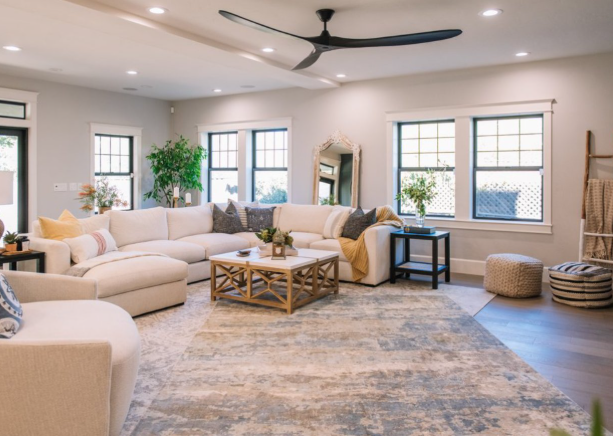
Planning a Home Remodel? 8 Things to Consider Before Construction Begins
A home remodel can completely change the way your home looks, feels, and functions.
Whether you are updating a kitchen, renovating a bathroom, opening up a living space, adding storage, or remodeling several rooms at once, the best results usually begin long before construction starts.
Good planning can help reduce surprises, keep the project moving more smoothly, and make sure the finished space actually works for the way you live.
Here are eight important things to consider before beginning your next home remodeling project.
1. Start With the Problem You Want to Solve
Before choosing finishes or browsing design ideas, think about why you want to remodel.
Maybe your kitchen feels too small.
Maybe your bathroom is outdated.
Maybe your home lacks storage.
Maybe the layout no longer works for your family.
Or maybe you simply want to modernize a home you plan to stay in for many years.
Understanding the problem first makes it easier to make smart decisions later.
A remodel should do more than look good.
It should improve the way the space works.
2. Establish Your Priorities
Most remodeling projects involve choices.
You may want new cabinets, flooring, lighting, countertops, fixtures, appliances, built-ins, and structural changes all at once.
Prioritize the features that matter most.
Ask yourself:
- What absolutely needs to change?
- What would be nice to have?
- Which improvements affect daily function?
- Which upgrades are mostly cosmetic?
- Where do you want to invest the most?
Having clear priorities helps guide the project when decisions need to be made.
3. Set a Realistic Budget
A remodeling budget should account for more than visible finishes.
Depending on the project, costs may include:
- Demolition
- Framing
- Electrical work
- Plumbing
- Drywall
- Flooring
- Cabinets
- Countertops
- Fixtures
- Painting
- Permits
- Labor
- Cleanup
- Unexpected repairs
Older homes can sometimes reveal hidden conditions once walls, floors, or cabinets are removed.
Building some flexibility into the budget can help reduce stress if surprises come up.
4. Think About How the Space Will Be Used
A beautiful remodel should also be practical.
For a kitchen, think about how you cook, entertain, and move through the room.
For a bathroom, consider storage, lighting, shower space, accessibility, and privacy.
For a family room, think about furniture placement, television locations, outlets, and traffic flow.
Small design decisions can have a big impact on how comfortable the finished room feels.
5. Choose Materials for Real Life
It is easy to fall in love with something in a showroom or online.
But your home has to work in the real world.
Consider:
- Pets
- Children
- Foot traffic
- Maintenance
- Moisture
- Cleaning
- Durability
- Sun exposure
- Everyday use
The most expensive material is not always the best choice.
The right material is the one that fits your home, lifestyle, design goals, and budget.
6. Don’t Underestimate Lighting
Lighting can completely change a remodeled space.
A room with great finishes can still feel disappointing if the lighting is poorly planned.
A strong lighting plan may combine:
- Natural light
- Ceiling fixtures
- Recessed lighting
- Task lighting
- Under-cabinet lighting
- Accent lighting
- Decorative fixtures
Think about where you need bright functional light and where softer lighting would create a better atmosphere.
Electrical planning should happen early, especially if walls or ceilings are already being opened.
7. Plan for Storage Before Construction Starts
Storage is one of the easiest things to overlook.
Once construction is finished, adding more storage may be difficult or expensive.
Consider whether the remodel could include:
- Built-in cabinetry
- Larger closets
- Pantry storage
- Bathroom niches
- Linen storage
- Kitchen drawer systems
- Garage storage
- Entertainment built-ins
- Mudroom cabinetry
Good storage helps keep a remodeled space looking cleaner long after the project is complete.
8. Choose a Contractor You Can Communicate With
Remodeling involves a lot of decisions.
That makes communication incredibly important.
A good contractor should help you understand:
- Project scope
- Materials
- Scheduling
- Construction phases
- Changes
- Potential challenges
- Next steps
You should feel comfortable asking questions and discussing concerns throughout the project.
Clear communication can make the entire remodeling experience much easier.
Remodeling Is About More Than Appearance
The best remodels improve both form and function.
They can create:
- Better layouts
- More storage
- Improved lighting
- Updated finishes
- More comfortable living spaces
- Better use of existing square footage
A well-planned remodel can make an older home feel completely different without requiring you to move.
Take the Time to Plan It Right
It can be tempting to rush into construction once you are excited about a remodel.
But planning is one of the most important parts of the process.
The more decisions you can make ahead of time, the easier it becomes to keep the project organized and moving forward.
That includes choosing materials, discussing layouts, reviewing the budget, and understanding the construction process before work begins.
Ready to Remodel Your Home?
If you are thinking about updating your kitchen, bathroom, living space, or another part of your home, now is a great time to start planning.
A professional remodeling contractor can help you evaluate the space, discuss your goals, and create a plan that brings your ideas together.
Start Your Home Remodeling Project
Contact [COMPANY NAME] today to discuss your home remodeling project and learn how we can help transform your existing space into a home that works better for you.
Serving homeowners throughout [SERVICE AREA].
Kitchen Remodeling • Bathroom Remodeling • Interior Renovations • Home Improvements • General Construction